Avoid These Mistakes in Storage Solutions for Tools & Gear for Safer Projects (Winter, December, Year-End)
)
Tools Needed
Safety Tips
- Wear appropriate PPE when handling tools and installing storage solutions.
- Store sharp tools safely and out of reach of children.
- Use proper lifting techniques when moving heavy bins or shelves.
- Keep power tools in dry areas to prevent electrical hazards.
- Keep cords untangled to avoid tripping hazards.
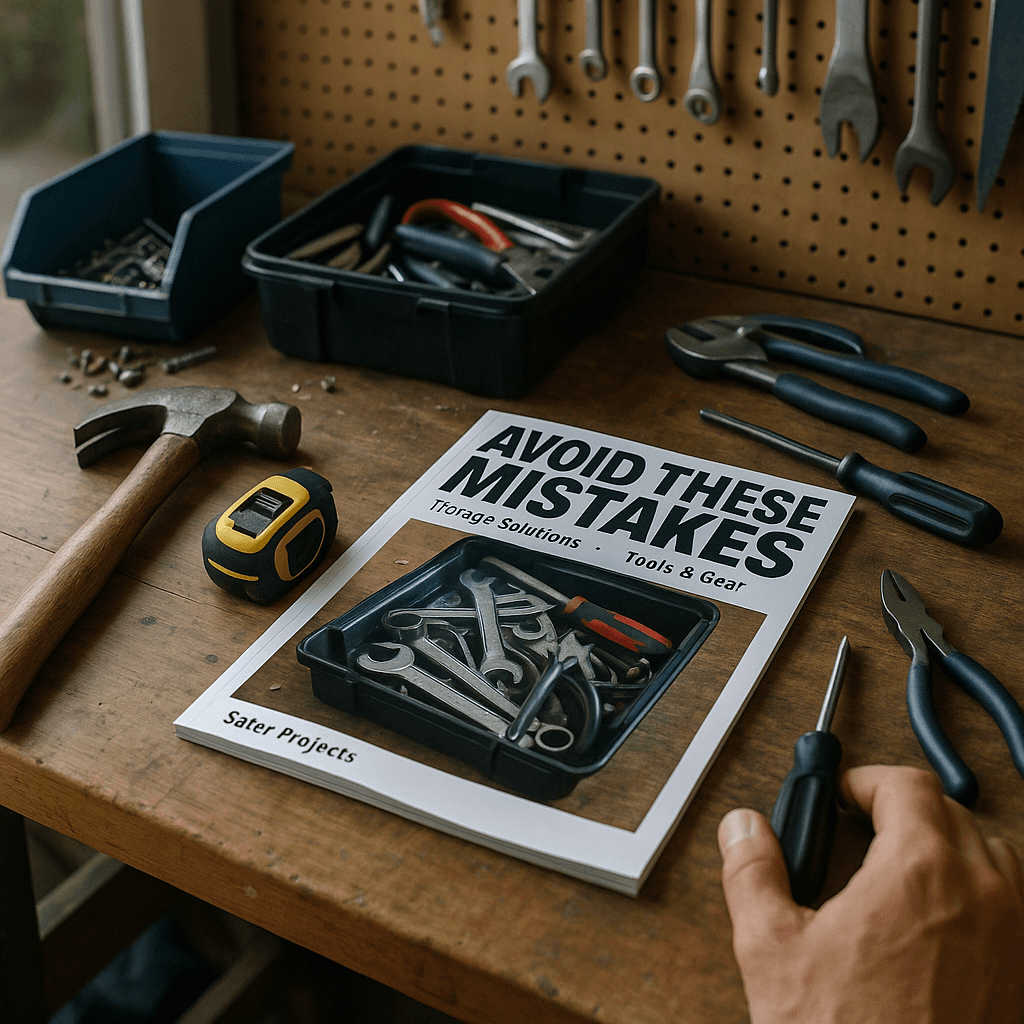
Avoid These Mistakes in Storage Solutions for Tools & Gear for Safer Projects
As winter rolls in, it’s time to think about how to store your tools and gear effectively. This isn't just about keeping them safe from the elements; it’s about ensuring that your next DIY project goes smoothly. Proper storage solutions save time and frustration. You don’t want to be scrambling for that one tool you know you have but can’t find!
Quick Answer
To store tools effectively, categorize them by type, use clear bins or pegboards, label everything, and keep frequently used items accessible. This organization will save you time and keep your workspace safe.
Before You Start
A common mistake is underestimating the importance of an organized workspace. Tossing tools into a box or a corner of the garage can lead to accidents or losing items. Take the time to assess your space and tools. Consider humidity and temperature, especially if you live in a damp area—improper storage can lead to rust and costly damage.
Method Overview
I recommend a straightforward approach: combine pegboards, wall-mounted shelves, and clear bins. This works best in garages, basements, or sheds. However, if you’re in a cramped space or have a system that already works for you, this may not be ideal. The goal is to make your tools easy to find and access.
Deep Steps
Here’s a step-by-step guide on how to organize your tools:
- Gather Your Tools: Bring all your tools together. This lets you see what you have. I once found five hammers I didn’t even know I owned!
- Clean and Inspect: Clean each tool and check for damage. A rusty wrench is not only frustrating but can be dangerous too.
- Categorize: Sort your tools into categories: hand tools, power tools, gardening tools, etc. This helps with storage and retrieval.
- Choose Your Storage Solutions: Decide between pegboards, bins, or shelves. I prefer pegboards for hand tools because they’re accessible. If space allows, add a workbench with storage underneath.
- Label Everything: Use a label maker or painter’s tape to label bins. This prevents the “where did I put that?” panic.
- Store by Frequency of Use: Place frequently used tools at eye level while less-used items can go higher up or in the back of bins.
- Regular Maintenance: Set a time, maybe every season, to reassess your storage. This keeps everything tidy and functional.
Decision Points
While organizing, you’ll face several choices:
- Pegboard vs. Shelves: I chose pegboards for visibility and accessibility. Shelves can hide things away, making it easier to forget what you have. Plus, pegboards are often cheaper and easier to install.
- Plastic Bins vs. Metal Containers: I initially thought metal containers would be more durable, but I opted for plastic bins. They’re lighter, won’t rust, and many are clear, allowing you to see what’s inside.
- DIY vs. Store-Bought Solutions: I considered building my own tool rack but went with a pre-made one. It saved time and costs, plus it came with a warranty.
- Hanging Tools vs. Storing in Drawers: Hanging tools on the pegboard gives visibility and easy access. Drawers can lead to clutter and wasted time searching.
Troubleshooting & Fix-ups
Even with the best prep, things can go wrong. Here are some common failure modes and how to fix them:
- Rust on Tools: If you find rust, clean it with a rust remover or vinegar, then apply a light coat of oil for protection. I learned this the hard way when I pulled out a rusty saw last winter.
- Bins Falling Over: If your bins tip over, adjust shelving or add anti-slip mats underneath. I experienced this when I overloaded a shelf with too many bins.
- Items Getting Mixed Up: If your labeled bins are still mixed up, try color-coding them. I did this for gardening tools, and now it’s much easier to grab what I need.
- Not Enough Space: If you run out of space, evaluate what you really need. Duplicates or unused tools can be donated or sold. This was a tough decision for me, but it cleared space for tools I actually use.
Common Mistakes & How to Avoid Them
- Skipping the Cleaning Step: Not cleaning tools before storage can lead to rust and damage. Always clean before putting them away.
- Overcrowding Bins: Packing bins too tightly makes it hard to find what you need. Leave space for easy access.
- Ignoring Temperature and Humidity: In humid areas, consider using silica gel packs in bins to absorb moisture. I learned this after a few tools rusted due to excess humidity.
- Not Labeling: If you think you’ll remember where everything is, think again! Label everything to save time.
Safety Tips
Safety disclaimer: Always wear PPE and follow manufacturer instructions when using tools and storage solutions. Here are specific risks to be aware of:
- Sharp Tools: Keep blades and sharp tools stored safely and out of children’s reach.
- Heavy Items: Use proper lifting techniques for heavy bins. Bend at the knees, not the back!
- Electrical Tools: Store power tools in a dry area to prevent electrical hazards. Keep cords untangled to avoid tripping hazards.
Budget & Time Ranges
Your budget for tool storage can vary widely:
- Low-End Solutions: Spend under $50 for simple bins and pegboards. This is great for beginners but may not last long-term.
- Mid-Range Solutions: Expect to spend $100-$300 for durable pegboards, shelving units, and bins. This strikes a good balance between quality and cost.
- High-End Solutions: Custom cabinetry or advanced systems can run $500 and up. This might be worth it if you have a large collection and want a sleek look.
The time it takes to set this all up can range from a weekend to a few days, depending on how much you have to organize and your experience level.
Stop & Call a Pro
Certain thresholds indicate it’s time to get professional help:
- Severe Rust Damage: If your tools are beyond cleaning and need refurbishing, call a pro.
- Structural Issues with Storage: If your shelves or pegboards are sagging or unstable, consult a carpenter.
- Electrical Hazards: If you notice frayed wires or sparks when using power tools, call an electrician immediately.
- Overwhelmed by Clutter: If the task feels too big or you feel unsafe managing heavy items, consider hiring a professional organizer.
What I’d Do Differently If I Did This Again
Reflecting on my experience, here are some things I’d change:
- Skip the Unnecessary Step: I wasted time building my own shelves when pre-made ones would have saved hours.
- Earlier Step: I’d categorize my tools before cleaning them. This would have made cleaning easier and more organized.
- Tool Upgrade: I’d invest in better label-making tools. My old one broke halfway through labeling, delaying the process.
- Surprise: I didn’t anticipate how quickly I’d run out of space on my pegboard. I’d plan for more vertical space from the start.
With a little planning and effort, organizing your tools can become a fulfilling project that sets you up for success in future DIY endeavors. The better you organize, the easier your projects will be!
Micro-Stories
- The Forgotten Wrench: A contractor lost hours on a job site searching for a missing wrench, only to find it buried under a pile of improperly stored gear. After that project, he implemented a uniform storage system with clear bins and labels, drastically reducing search times.
- The Tumbling Toolbox: An amateur DIYer had a toolbox full of tools but neglected to secure it properly on a high shelf. After a near-miss incident when it fell, he decided to build a dedicated cart with secure compartments for safer storage and ease of transport.
Recommended Gear
Disclosure: As an Amazon Associate, we may earn from qualifying purchases at no extra cost to you.
Common Mistakes
- Skipping the cleaning step before storage, leading to rust and damage.
- Overcrowding bins, making it difficult to find tools.
- Ignoring temperature and humidity, causing tool deterioration.
- Not labeling storage containers, resulting in lost tools.
More in Tools & Gear